By Paul Windsor · Carpet overlocking specialist, Sunnynook workshop
Maintenance and Care Tips
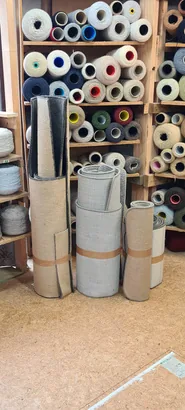
An overlocked edge is built to last, but it is not maintenance-free. The mats that still look tidy years later are the ones that stay free of grit, avoid harsh chemistry, and get help when the stitch starts to fail — not the ones that are ignored until the border unravels.
I finish dozens of mats every month at the Sunnynook workshop. The care habits below are what I recommend for home runners and for caravan and boat mats that live harder lives. If you are still deciding whether to finish a cut edge at all, read what overlocking is and the benefits of overlocking first.
Vacuuming without stressing the stitch
Regular vacuuming removes loose dirt before it works into the pile and abrades fibres. Near the overlocked border, ease off: use a lower suction setting or a handheld tool rather than forcing a beater bar hard against the yarn wrap. Aggressive vacuuming along the edge can stress stitching over time even when the centre of the rug looks fine.
Frequency depends on traffic. A family hallway runner may need several light cleans a week; a spare-room accent rug can wait longer. Light and often beats rare and aggressive.
Spot cleaning that does not fade the border
Deal with spills promptly. Blot with a clean, dry cloth — do not rub, which drives liquid sideways and frays pile. For many water-based spills, a damp cloth with a little mild detergent is enough. Rinse the area with a clean damp cloth afterwards so residue does not attract more dirt.
Avoid bleach and harsh solvents on both the carpet face and the overlocking yarn. They can fade colour and weaken fibres. Test any new product on a hidden corner first. If a stain will not lift after careful spot work, stop and use a professional cleaner rather than escalating chemical strength at home.
Professional cleaning
Deep cleaning removes embedded soil that vacuuming misses. Choose a rug cleaner who understands bound edges: excess water at the perimeter and incomplete drying cause more problems than the dirt you were trying to remove. Mats should be dried thoroughly before they go back on the floor, especially in humid weather.
A busy hallway runner in a family home often benefits from about an annual professional clean. Lightly used pieces may only need attention every few years. Caravan and boat mats that see sand and salt may need more frequent deep cleans — or more frequent thorough home cleaning between professional visits.
Rotation and sun
Foot traffic compresses pile in predictable paths. Rotating a rectangular rug end-to-end every few months spreads that wear. Where sunlight hits one side of a room hard, rotation also slows obvious fade lines.
New Zealand sun is strong. Prolonged direct UV fades carpet colours and can weaken fibres, including overlocking yarn. Use curtains or blinds in the brightest hours where you can, or place mats so they are not permanently in a sun stripe. UV damage is gradual; by the time the colour difference is obvious, the faded zone is already set.
Rug pads and humidity
A good rug pad reduces slip, cushions footfall, and helps air move under the mat so moisture is less likely to sit trapped against the floor. That matters in humid New Zealand homes and anywhere a mat is used on a hard surface.
Size the pad slightly smaller than the rug so it stays hidden and does not peek past the overlocked edge. A pad that is too large looks untidy and can catch toes; one that is too small lets the rug creep and wrinkle.
Caravan and boat mats: grit, salt and damp
Mobile mats collect abrasive particles. Shake out caravan and boat carpets when you can, then vacuum — grit left in the pile acts like sandpaper underfoot and against the bound edge. Salt and damp are common on boats; rinse or clean according to the carpet type, and never store a soaking mat rolled up.
If a van or boat is laid up, air mats and check for mildew before the next trip. A finished edge still needs dry storage. For fitting and replacement jobs, see caravan carpets and boat carpets.
Warning signs and when to re-bind
Act early if you notice:
- Loose or broken stitching along the border
- Fresh fraying where the yarn wrap has worn through
- Corners that have opened or pulled away from the carpet face
- Edge damage spreading inward toward good pile
Catching edge failure early often means re-trimming and re-overlocking before you lose usable width. Waiting until the fringe of damage is wide can force a smaller mat than you wanted — or a full replacement.
Re-binding is not worth it if the centre of the carpet is already worn out. In that case, put the budget into a new piece and finish it correctly from day one.
A simple care routine
If you want a short checklist: vacuum regularly with care at the edge; blot spills quickly with mild products; rotate when the room allows; keep grit out of caravan and boat mats; use a properly sized pad indoors; book professional cleaning when soil builds up; and call for edge repair as soon as stitching fails — not after a season of further fray.
Seasonal habits help too. After beach or camping trips, shake and vacuum caravan mats before they go back into storage. After winter damp, check that indoor runners are dry underneath and that pads have not trapped moisture against timber or vinyl floors. Small checks prevent the slow damage that only shows when you lift the mat months later.
Keep a note of yarn colour if you chose a contrast border — useful if a short section ever needs attention later. Matching an old faded yarn from memory is harder than matching from a sample or a clear photo of the original wrap.
Next steps
For new mats or re-binding worn borders, contact Paul at the Sunnynook workshop on Auckland’s North Shore. Bring the piece if you can, or clear photos of the damaged edge. If you are planning a new cut size, also skim how overlocking works so you know what to prepare before the job starts.